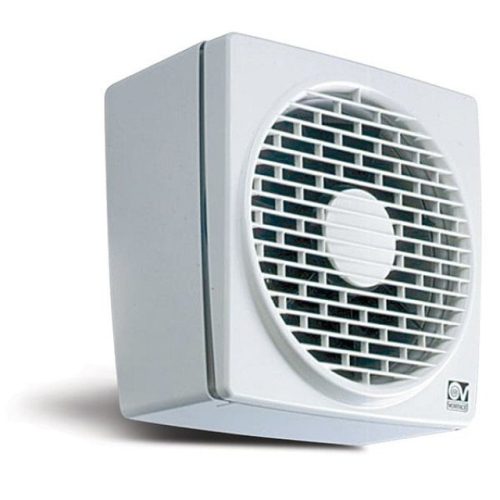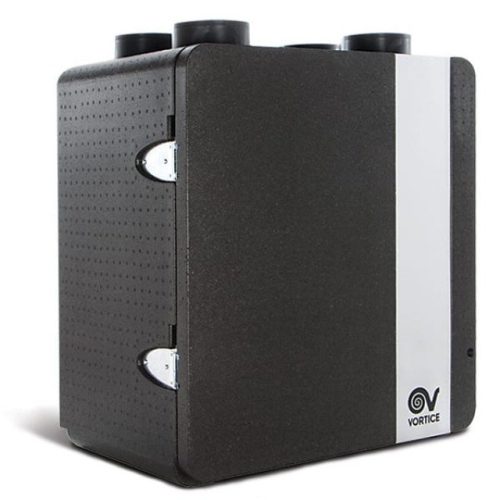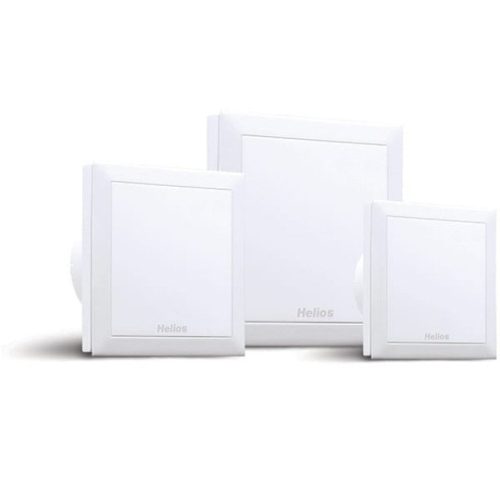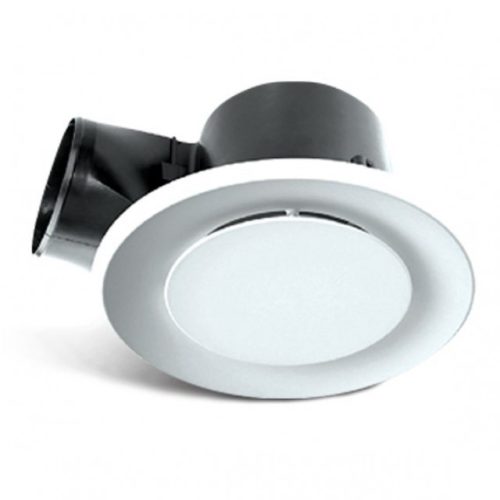
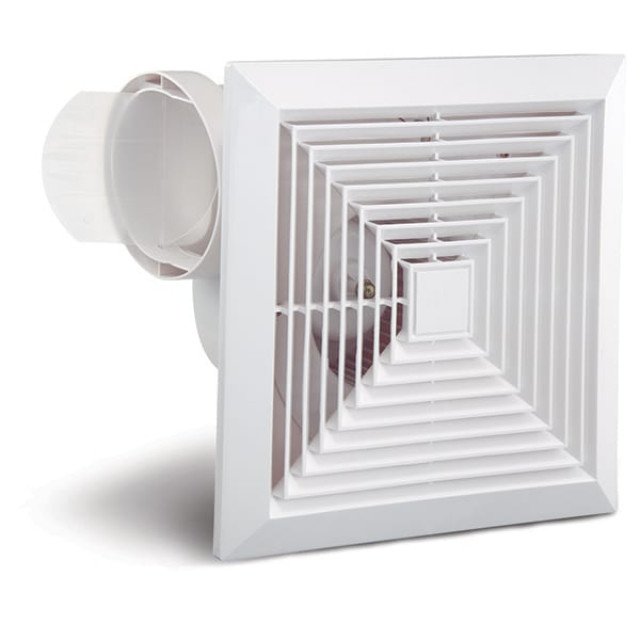
Ducted Ceiling Extraction Exhaust Fan
Price range: $125.40 through $268.40
Features
- Hi-static duct characteristics
- High-performance centrifugal impeller
- Integrated non-return damper
- Incorporates a clip fixing system for fast and easy installation
- Timer models available
- Replacement option for XC/NVF models
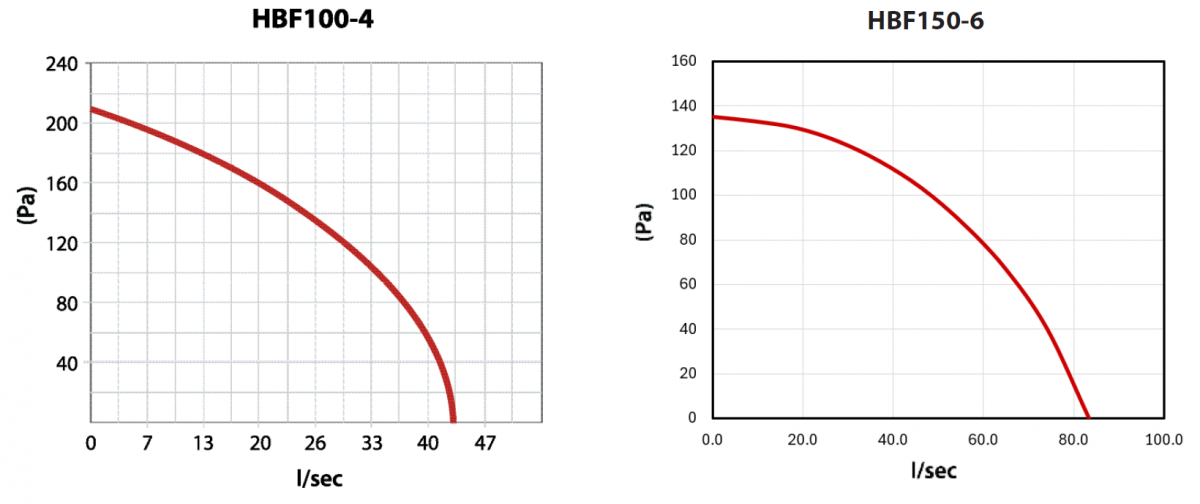
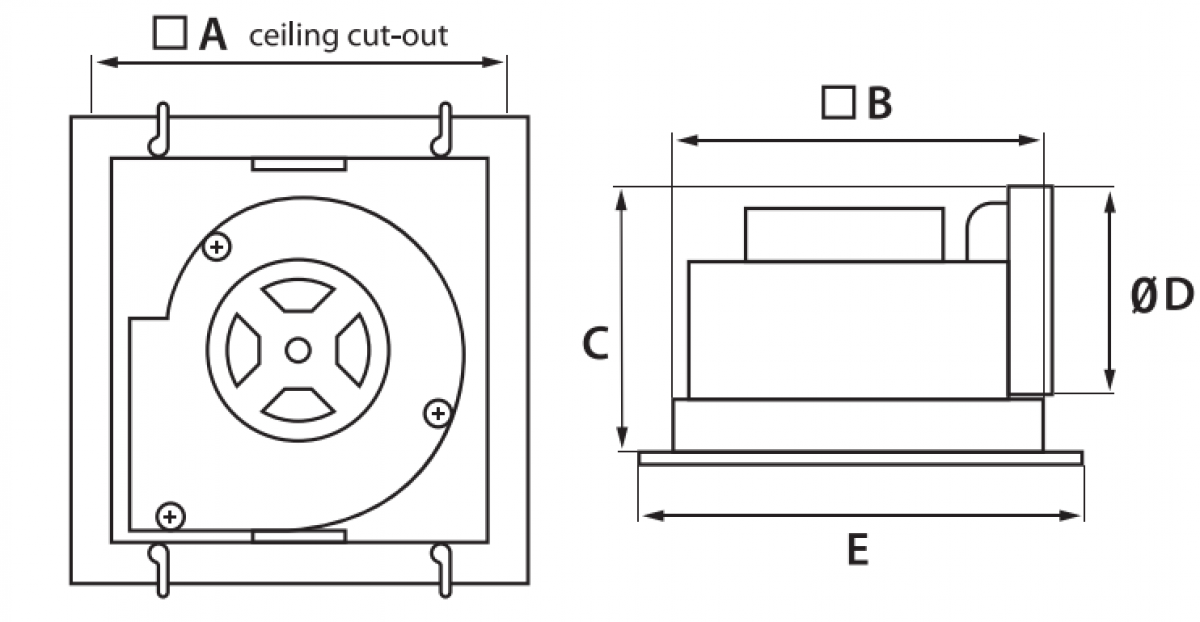
| Model | Code | Dia 0 | V | W | r/min | m3/hr | L/s | dBA@3m |
| ALVHBF100-4 | ALV105 | 100 | 240 | 34 | 1130 | 144 | 40 | 22 |
| ALVHBF100-4T-KIT | ALV141 | 100 | 240 | 34 | 1130 | 144 | 40 | 22 |
| ALVHBF150-6 | ALV106 | 150 | 240 | 38 | 1030 | 303 | 84 | 39 |
| ALVHBF150-6T-KIT | ALV140 | 150 | 240 | 38 | 1030 | 303 | 84 | 39 |
Frequently Asked Questions
How does a heat transfer kit work?
A heat transfer kit uses a small fan to draw warm air from a room with a good heat source — typically a room with a wood fire, slow combustion stove or reverse-cycle unit — and duct it to cooler rooms elsewhere in the home. It requires no new heating system; just a small ceiling penetration and the kit's ducting and fan assembly.
Can a heat transfer kit be used for cooling as well as heating?
Yes. In summer the same kit transfers cool air from an air-conditioned room to adjacent spaces — extending your cooling without running a second system. Allvent kits available through Airdry are designed to handle both heating and cooling transfer year-round.
How many rooms can a heat transfer kit serve?
Single-room kits (1-room transfer) serve one destination room. Multi-room Allvent kits distribute heat to 2–4 rooms using a central fan unit and multiple ducts. The correct kit depends on room distances and your home's layout — contact us for a recommendation.
Product information sourced from Allvent — allvent.com.au